Weather Can Change Soil, Safety, Timing, and Digging Results
Weather has a direct effect on foundation excavation because rain, heat, cold, wind, and freeze-thaw cycles all change how soil acts during a dig. Wet ground can turn soft and unstable. Dry heat can make soil hard and cracked. Frozen soil can slow work and strain equipment. If you are planning foundation excavation in Ashland, KY, weather should always be part of the plan from the start.
Quick Answer
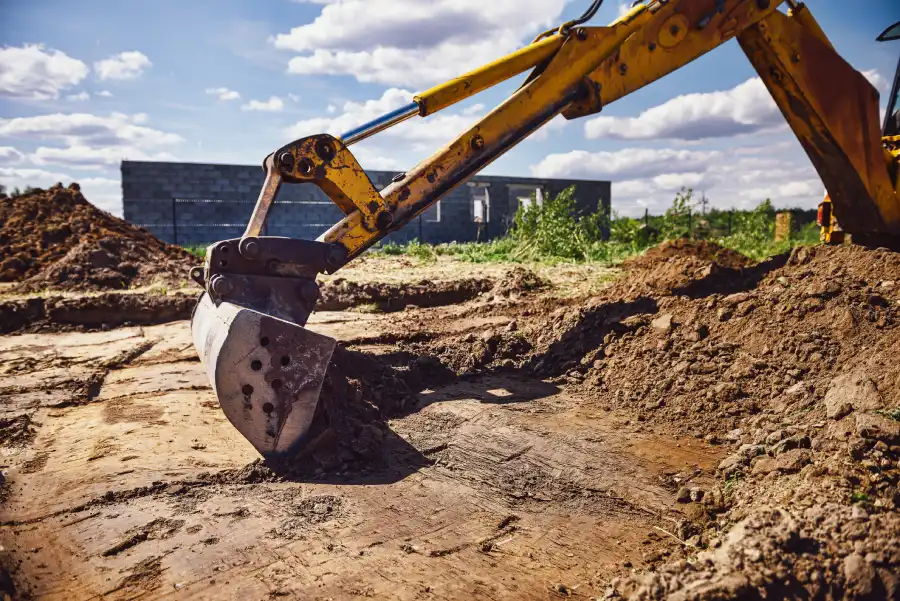
The main reason weather matters is simple: it changes the ground. Foundation excavation depends on stable soil, clear site access, and safe working conditions. When weather shifts, the shape and strength of the soil can shift too. A small change in moisture can make a big difference in how a trench holds its walls, how machines move, and how easy it is to reach the right depth and grade.
What You Need Before Starting
Before any digging begins, it helps to gather a few key facts. This is true for new homes, additions, garages, and other sitework tied to a building project. The goal is to know how the land may react if weather changes during the job.
- A recent weather forecast for the full work period
- Soil type information for the lot
- Drainage patterns around the site
- Access points for trucks and machines
- A plan for water removal if rain moves in
- Time built into the schedule for weather delays
Clay, sand, silt, and mixed soils do not react the same way. Clay may swell when wet and shrink when dry. Sandy soil may drain faster but can still cave in if the trench walls are too steep. If a crew skips this prep work, the excavation may take longer and create safety risks.
Step-by-Step Process
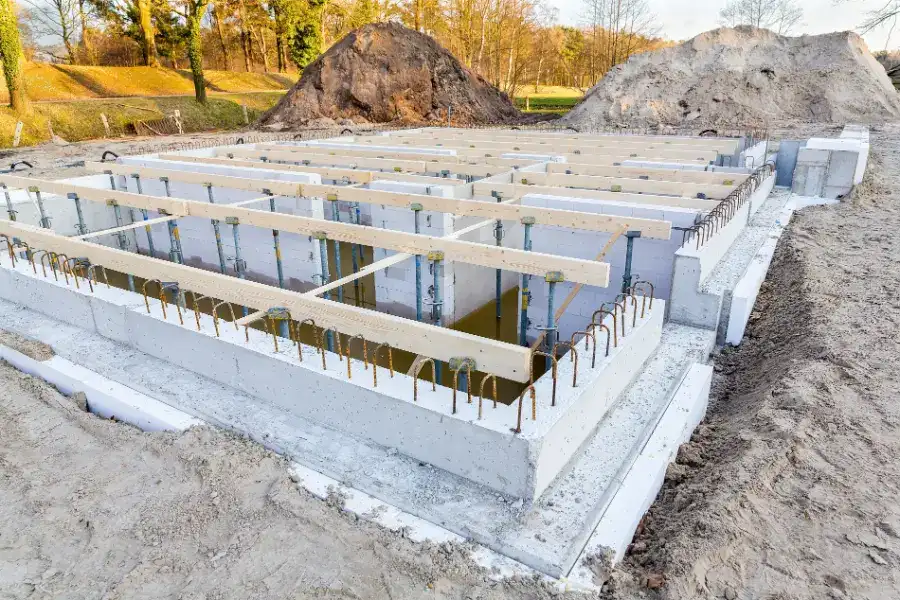
A weather-aware plan for foundation excavation usually follows a simple path. Each step helps lower delays and site problems.
- Check the forecast before work starts and each day after.
- Inspect the site for ponding water, soft spots, and runoff paths.
- Test or review the soil type and moisture level.
- Set up erosion and drainage controls before digging.
- Start excavation only when equipment can move safely.
- Watch trench walls and excavation edges during the full job.
- Stop and correct issues if rain, frost, or heat changes the soil.
- Backfill and compact at the right moisture level after the work is done.
For example, a site may look fine in the morning after a dry week. Then an afternoon storm drops heavy rain. The bottom of the excavation may soften, and the sides may begin to slough off. That can affect footing depth, level surfaces, and worker safety. Daily checks matter because site conditions can change fast.
Common Mistakes to Avoid
One common mistake is assuming all bad weather problems come from rain. Heat can be just as hard on a project. Very dry soil can become packed and tough to cut. It can also crack, which may affect nearby ground support. Cold weather brings its own problems. Frozen soil can hide soft layers below the surface, and thawing can leave muddy, weak ground behind.
Another mistake is digging too soon after a storm. Even if the top looks dry, the soil below may still be heavy and unstable. Crews may also forget how wind affects safety. Strong wind can blow loose materials, reduce visibility, and make machine work harder near open cuts. Poor drainage planning is another issue. If water has nowhere to go, it often ends up in the excavation.
When Weather Creates Bigger Risks
Some weather patterns call for extra care. Long periods of rain can oversaturate the lot. Rapid freeze-thaw cycles can loosen soil structure. Heavy snow followed by melt may send runoff right into the work area. During very hot weather, ground moisture can leave fast, changing compaction results and making later settlement more likely if fill is not handled the right way.
These conditions do not always stop foundation excavation, but they often mean the plan needs to change. The crew may need pumps, temporary covers, soil stabilization steps, or a delay until the ground improves. In some cases, the shape of the cut or the path of the equipment may need to change as well.
When to Call a Professional
Professional help makes sense when the site has standing water, steep grades, unknown soil, repeated washouts, or signs that trench walls are moving. It also helps when the project has tight foundation tolerances and little room for error. A skilled crew can read the site, adjust for weather, and keep the dig on grade without adding avoidable risk.
This matters even more when weather keeps changing week to week. A planned approach can protect nearby structures, lower delays, and help the next phase of the build move forward with fewer problems. Good excavation work is not just about digging a hole. It is about reading the land, the soil, and the weather together.
Final Recommendation
If you are planning a project in Ashland, KY, weather should be part of the conversation before the first machine arrives. At Grace Excavating, LLC - Ashland KY, we plan foundation excavation around real site conditions and changing forecasts. Call us at (740) 327-3937 to talk with our team about timing, soil conditions, and the next steps for a safer, smoother job.