Proper Soil Work and Drainage Planning Can Stop Damage Before It Starts
Foundation excavation helps prevent foundation problems by controlling water, improving soil support, and reducing pressure around a home’s base. When the ground is cut, shaped, and prepared the right way, it lowers the chance of cracks, settling, and shifting. In places like Ashland, KY, this matters because soil and drainage issues can slowly damage a structure if they are ignored.
Why Prevention Matters
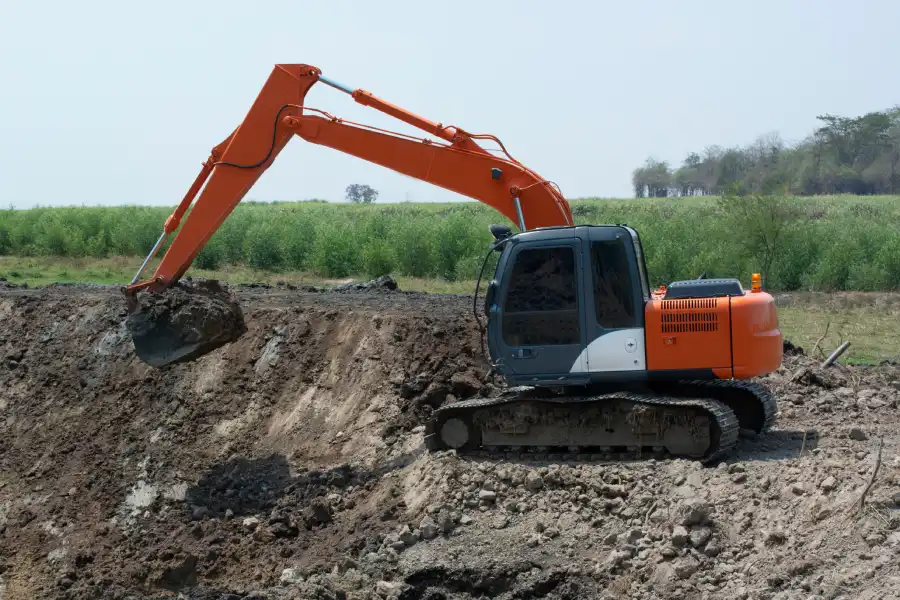
Most foundation trouble starts outside the home, not inside it. Water may pool near the walls. Soil may swell when wet and shrink when dry. Tree roots may change how moisture moves through the yard. foundation excavation helps fix these risks early by creating better grading, safe drainage paths, and more stable support around the structure. This service category keyword still matters as part of wider site and ground preparation work, even when the main goal is long-term protection.
When the ground near a foundation is handled the right way, water can move away instead of soaking into the soil next to the home. That simple change can help stop movement under the slab or footings. It can also reduce the stress that often leads to wall cracks and uneven floors.
Early Warning Signs
Many people do not notice small foundation issues at first. The signs often start slow. A sticking door may seem minor. A thin wall crack may not look serious. Still, these can point to water or soil trouble around the base of the home.
- Cracks in brick, drywall, or concrete
- Doors or windows that stick
- Uneven or sloping floors
- Gaps near trim or cabinets
- Water collecting near the foundation after rain
- Soil pulling away from the home during dry weather
If these signs show up more than once, the ground around the home may need attention. foundation excavation can be part of the fix before the damage gets worse.
Seasonal or Routine Checklist
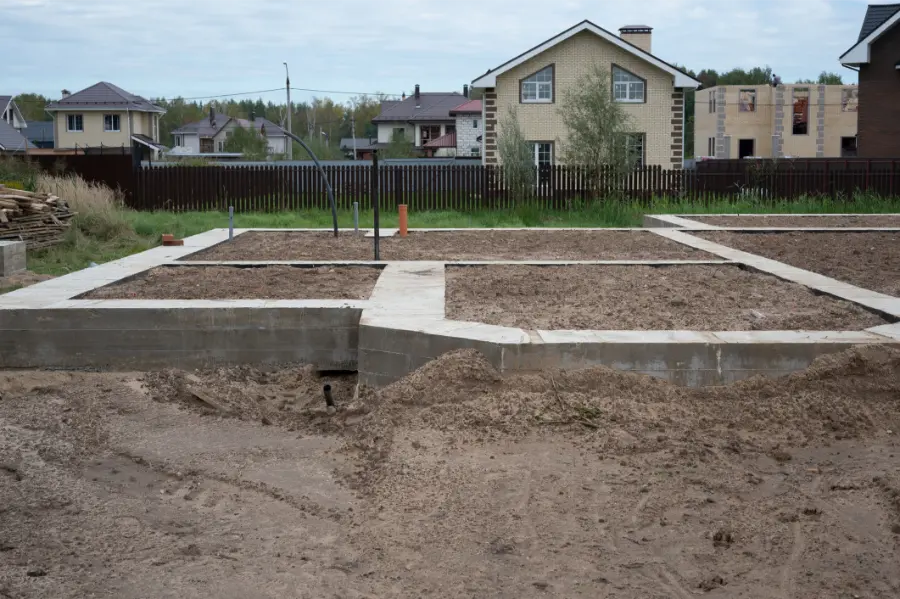
Prevention works best when it becomes part of normal property care. A simple routine can help spot drainage and soil problems before they lead to repairs.
- Check the yard after heavy rain to see where water collects.
- Look for soil erosion near downspouts and corners.
- Make sure gutters send water away from the home.
- Watch for new cracks inside and outside the house.
- Inspect the slope of the ground around the structure.
- Trim large roots that may affect moisture levels nearby.
- Schedule a site review if pooling or settling keeps happening.
This kind of routine is helpful in wet months and in dry months. Too much water can soften the soil. Too little water can make some soils shrink. Both problems can lead to movement below the foundation.
Best Practices for Long-Term Results
Good results come from planning, not guesswork. foundation excavation should match the site, the soil, and the way water moves across the lot. One home may need better grading. Another may need trenching for drainage. Another may need soil removed and replaced with more stable fill.
Some of the best long-term practices include keeping the ground at a steady slope away from the house, extending downspouts, using proper backfill, and avoiding loose soil near the foundation wall. Compaction also matters. If the soil is not compacted well after excavation, it may settle later and create new low spots where water can collect.
It also helps to think about the full property, not just one corner of the home. A driveway, patio, or landscaping bed can change how water flows. If one area sends runoff back toward the structure, the risk stays in place. That is why ground work should be planned as a whole system.
What Not to Do
Some common yard changes can make foundation problems more likely. People often add mulch, garden beds, or edging that traps water near the house. Some install short downspouts that dump water right at the base. Others try to fill low spots with loose dirt that washes away after one storm.
Here are mistakes to avoid:
- Do not pile soil against siding or foundation vents.
- Do not let downspouts empty next to the home.
- Do not cut the ground without a drainage plan.
- Do not ignore small cracks that keep growing.
- Do not use poor fill material around the structure.
- Do not plant large thirsty trees too close to the house.
These mistakes may seem small, but they can lead to bigger trouble over time. Prevention is often much easier than fixing major movement later.
When to Schedule Professional Help
Some drainage and grading tasks are simple. Others need skilled equipment use and a clear plan. If the site has standing water, repeated settlement, expanding clay soil, or visible foundation cracks, it is smart to get professional help. excavation near a structure must be done with care so the soil is not weakened during the work.
A trained crew can inspect the grade, locate trouble spots, and figure out whether the issue comes from runoff, poor backfill, erosion, or hidden drainage failure. That makes the repair plan more accurate. It also helps prevent doing surface work that does not solve the actual cause.
If a property has had repeat patch jobs, this is another sign that deeper site work may be needed. foundation excavation is often most useful when surface symptoms keep coming back after every storm or dry season.
Get Help Before Small Issues Grow
If you have seen pooling water or new cracks around your home in Ashland, KY, now is a good time to ask for help. We can inspect the site, explain what the ground is doing, and suggest practical next steps. Contact Grace Excavating, LLC - Ashland KY at (740) 327-3937 to schedule a visit and let us help protect your foundation with smart, lasting ground work.