How to Pick the Safest and Most Practical Approach for Your Project
Choosing the right demolition method means matching the job to the building, the site, and the goal. Some projects need a full tear-down. Others need careful interior removal or selective demolition to save parts of the structure. The best choice depends on safety, debris control, nearby buildings, and what comes next for the property. In Ashland, KY, this can also depend on lot size, access, and local site rules.
Quick Answer
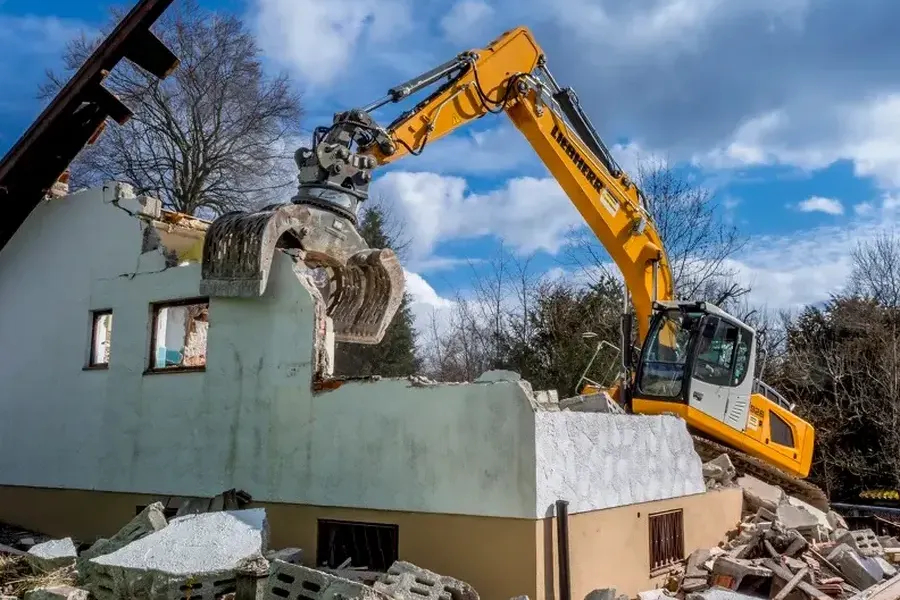
The right method depends on what needs to come down and what needs to stay. For a small shed or garage, mechanical demolition may work well. For a building with salvageable parts, selective demolition is often the better fit. For interior spaces, hand tools and small equipment may be the safest choice. Good demolition services start with a clear site review, a plan for debris, and steps to protect people and nearby property.
What You Need Before Starting
Before any work begins, gather the basic facts about the structure and site. This helps avoid delays, damage, and unsafe work. It also makes it easier to choose between full demolition, partial removal, and interior tear-out. The service category keyword may be blank here, but the job still needs a clear scope.
- The age and size of the building
- The building materials, like wood, brick, concrete, or steel
- The condition of the structure
- How close it is to homes, fences, trees, or power lines
- Whether you want to save part of the building
- How debris will be removed from the site
- Permit and inspection needs
If the building has tight access or shared walls, the method often needs more care. A wide open lot gives more equipment options. If utilities are still active, they should be shut off before work starts.
Step-by-Step Process
A simple process can help you narrow down the best method for your project. Start with the goal, then work through the site limits and safety needs.
- Decide if the job is full demolition, partial removal, or selective demolition.
- Check what must stay in place, such as walls, slabs, plumbing, or nearby structures.
- Review site access for trucks, machines, and debris bins.
- Identify hazards like unstable framing, glass, nails, or older materials.
- Pick the method that fits the space, timeline, and clean-up needs.
- Plan dust control, noise control, and debris hauling.
- Schedule the work in the right order so the site stays safe.
For example, a house being removed down to the foundation may need heavy equipment. A kitchen tear-out inside an occupied building may need careful hand demolition and smaller tools. A commercial space with parts being reused may call for selective demolition so fixtures, flooring, or framing can be removed with less damage.
Common Mistakes to Avoid
Many problems start when people pick a method based only on speed. Fast is not always the best choice. A large machine may save time on an open site, but it can create damage on a tight property. On the other hand, using only hand tools on a large structure can slow the job and raise labor time.
Another common mistake is skipping the debris plan. Demolition creates more waste than many people expect. If there is no plan for hauling, sorting, and disposal, the site can become messy and unsafe very fast. People also forget about dust and noise. That matters even more near homes, schools, or active businesses.
One more mistake is not thinking about what comes after the tear-down. If new building work starts next, the demolition method should leave the site ready for the next crew. That may mean protecting the slab, saving utility points, or keeping part of the structure in place.
When One Method Fits Better Than Another
Different situations call for different methods. Here are a few simple examples that can help with the decision.
- Use full mechanical demolition when the whole structure needs to be removed and the site has room for equipment.
- Use selective demolition when you want to save part of the building or reduce damage to nearby areas.
- Use interior demolition for remodels where the outside shell stays in place.
- Use hand demolition in tight spaces, upper floors, or areas needing extra control.
- Use deconstruction when material recovery and reuse are a big goal.
Each option has trade-offs. Full tear-down can be faster, but it may not work well near sensitive structures. Selective demolition takes more care, but it can protect features that need to stay. Deconstruction can recover useful materials, but it often takes more planning and labor.
When to Call a Professional
Small removal jobs may seem simple, but demolition can change fast once walls, roofs, or heavy materials start moving. A professional should be involved when the structure is unstable, when heavy equipment is needed, or when the site is close to other buildings. The same is true for projects with permit needs, utility concerns, or large debris loads.
Professional demolition services can also help when you are not sure how much of the structure should be removed. A site visit can show whether partial demolition is possible or if a full tear-down is the safer route. This can save time and prevent damage later in the project.
Final Recommendation
If you are trying to choose the right method, start with the end goal and the site limits. Then match the method to safety, access, debris control, and what needs to stay in place. In Ashland, KY, local site details can shape the best approach. If you want help sorting out the next step, call (740) 327-3937. At Grace Excavating, LLC - Ashland KY, we can review the project, explain the options, and help us find the demolition services that fit your property and schedule.